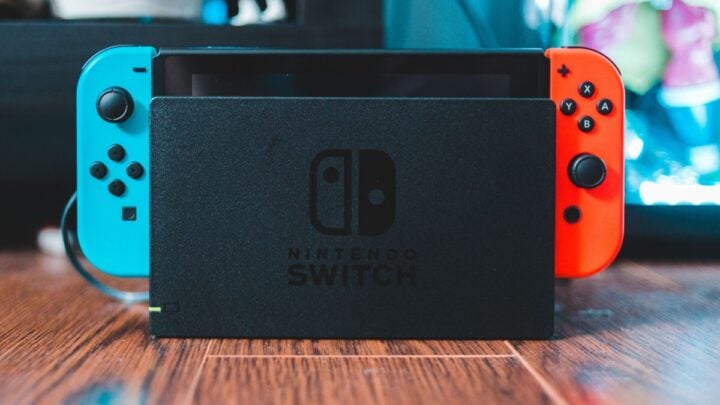
Nintendo Responds to Hacker Threat, Claims Employee Data Breach Is Old and Limited
A hacker group claims it has stolen Nintendo employee data and messages, but Nintendo downplays the incident as outdated and limited.
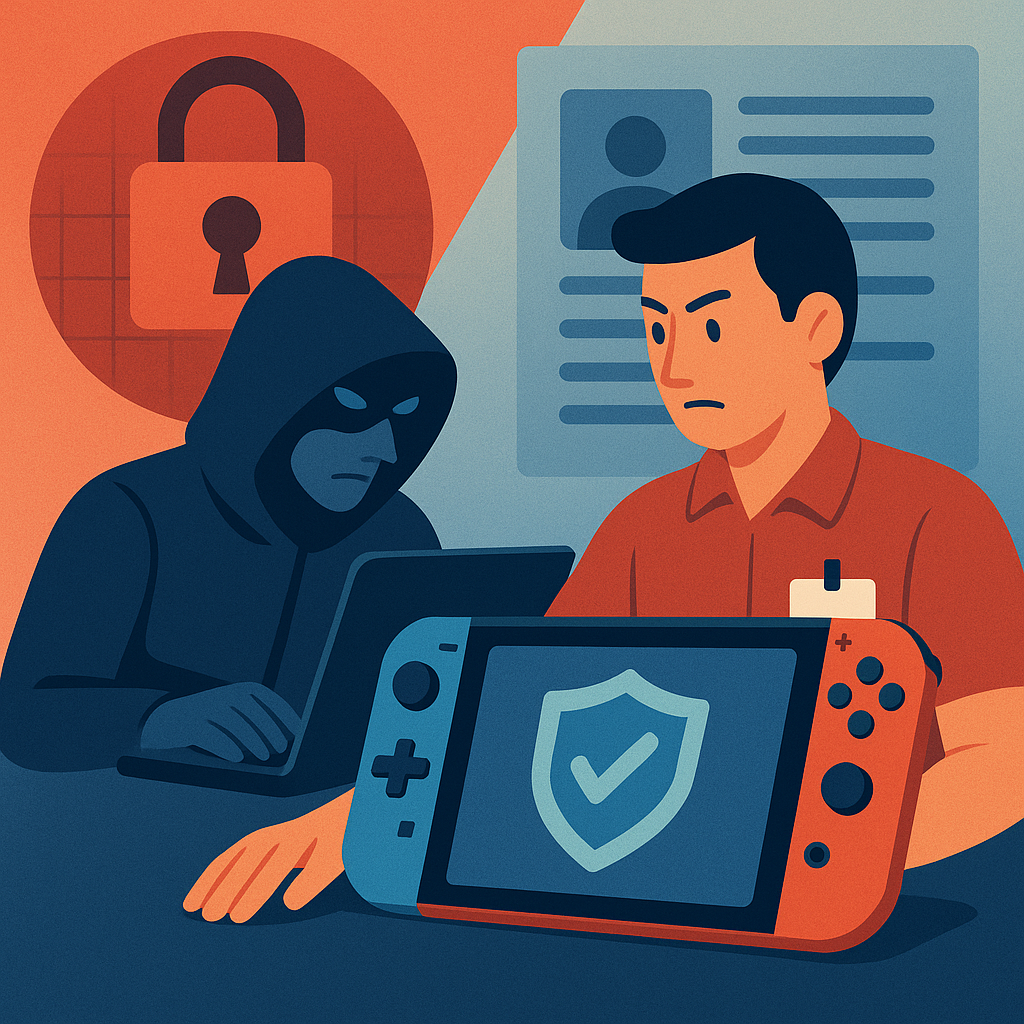
Nintendo Faces Hacker Threat
This weekend, a hacker group named ShadowBytes announced that it has stolen sensitive employee data from Nintendo. Their demand is straightforward: pay a ransom of $2 million or face public disclosure of the data, which they claim includes emails, names, bank statements, and private conversations.
The Source of the Data
The alleged breach is connected to an employee feedback platform called TinyPulse, which ShadowBytes claims to have compromised after Nintendo opted not to pay their ransom demand. In their communications, the group stated, “Nintendo decided to not pay so we are demanding that Tinypulse pay or all data will be leaked including private messages of Nintendo employees.”
A Closer Look at the Stolen Data

According to reports, ShadowBytes claims to have appropriated approximately 859 MB of data from TinyPulse. This includes a range of sensitive information:
- Employee names
- Email addresses
- Surveys
- Analytics reports
- Bank statements and W-9 forms
Nintendo’s Response
Nintendo has publicly responded to the situation, attempting to mitigate fears surrounding the breach. In a statement provided to media outlets like Kotaku, Nintendo of America emphasized the limited nature and age of the data involved. They clarified:
“We are aware of an issue involving TinyPulse, a third-party service used for internal employee surveys at Nintendo of America. Nintendo’s systems have not been compromised, and no personal customer or financial data has been accessed. The data involved is limited to internal survey content comprising a small subset of our employees, and most of the information dates back several years.”
Moreover, Nintendo expressed appreciation for their employees’ feedback, reinforcing that they take such matters seriously and are cooperating with TinyPulse to address the issue.
Cybersecurity and Corporate Responsibility
This incident highlights the ongoing challenges companies face regarding cybersecurity, especially when they utilize third-party services. With data breaches becoming an increasingly common threat, we must ponder what measures can be taken to safeguard sensitive employee information.
Implications for Nintendo and Its Employees

While Nintendo aims to downplay the potential impact of this breach, the very mention of a ransom demand and stolen employee data can induce anxiety. Employees may feel vulnerable knowing that their private information could be exposed, regardless of the age of the data.
In light of this, companies must consider both the immediate and long-term effects of negligence in data protection. The conversation should be about not just the threat of leaks but fostering a culture of transparency and confidence among employees.
Looking Forward
As this story develops, it will be vital for Nintendo to reassure both its employees and its customer base that necessary steps are taken to reinforce security protocols. The gaming community will likely be monitoring this situation closely, eager to witness both the industry’s response and enhanced security measures that are bound to follow.
In the long run, can we trust that major corporations will enforce stricter cybersecurity practices? This incident might serve as a wakeup call for not just Nintendo but for all entities in the gaming sector.